Restoring the Wear Park Portico as a Grade II* listed building in Exeter
Most members walk beneath the grand entrance of Wear House without giving it a second thought. Yet above their heads sits one of the most fascinating – and unexpected – pieces of engineering in Devon.
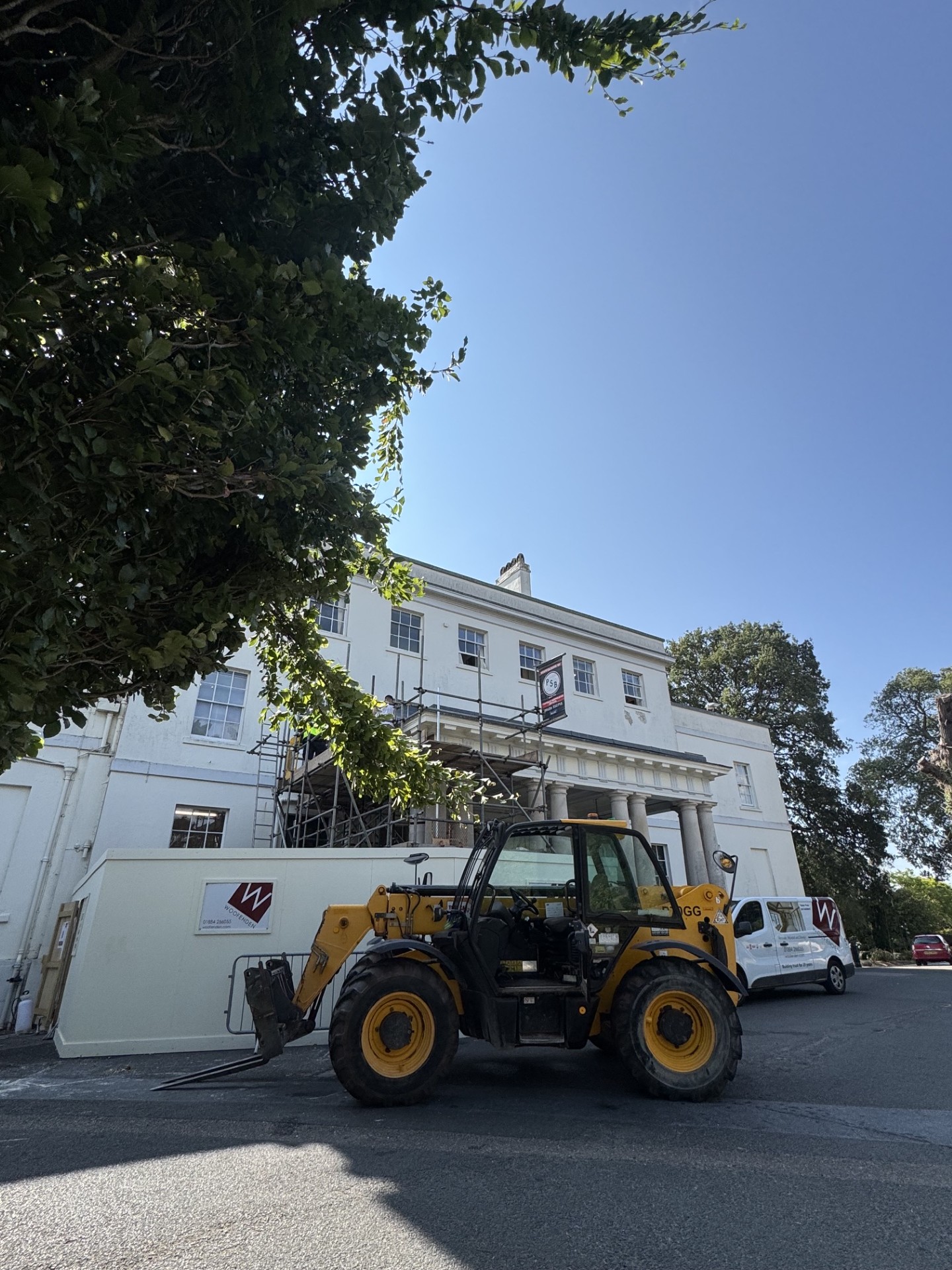
Following extensive investigations by conservation architects Corbel and structural engineers Pinder Structural Consulting, Exeter Golf and Country Club is embarking on an important historical preservation project restoring the Wear Park portico of their Grade II* listed building for generations to come.
An unexpected Brunel discovery
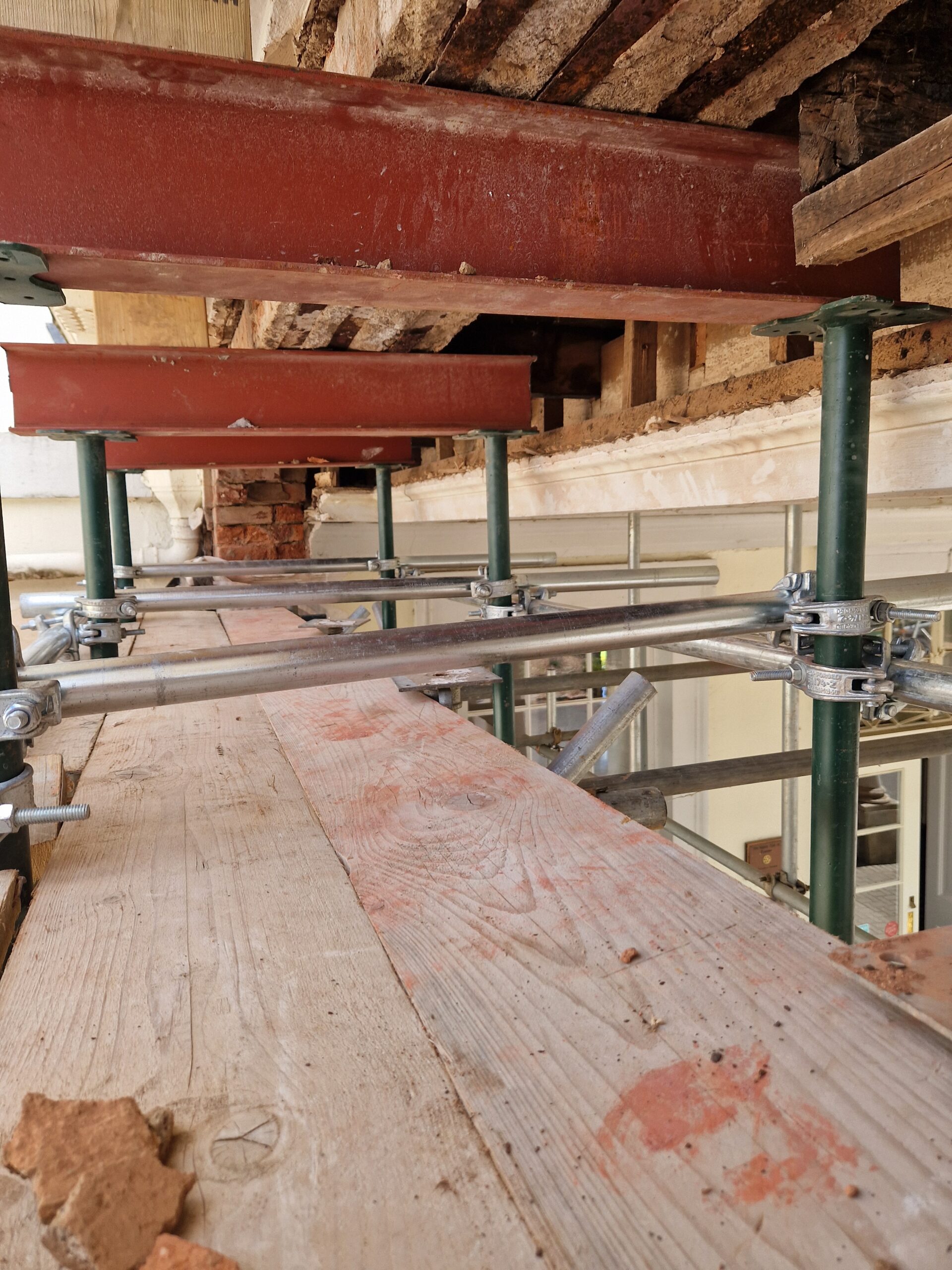
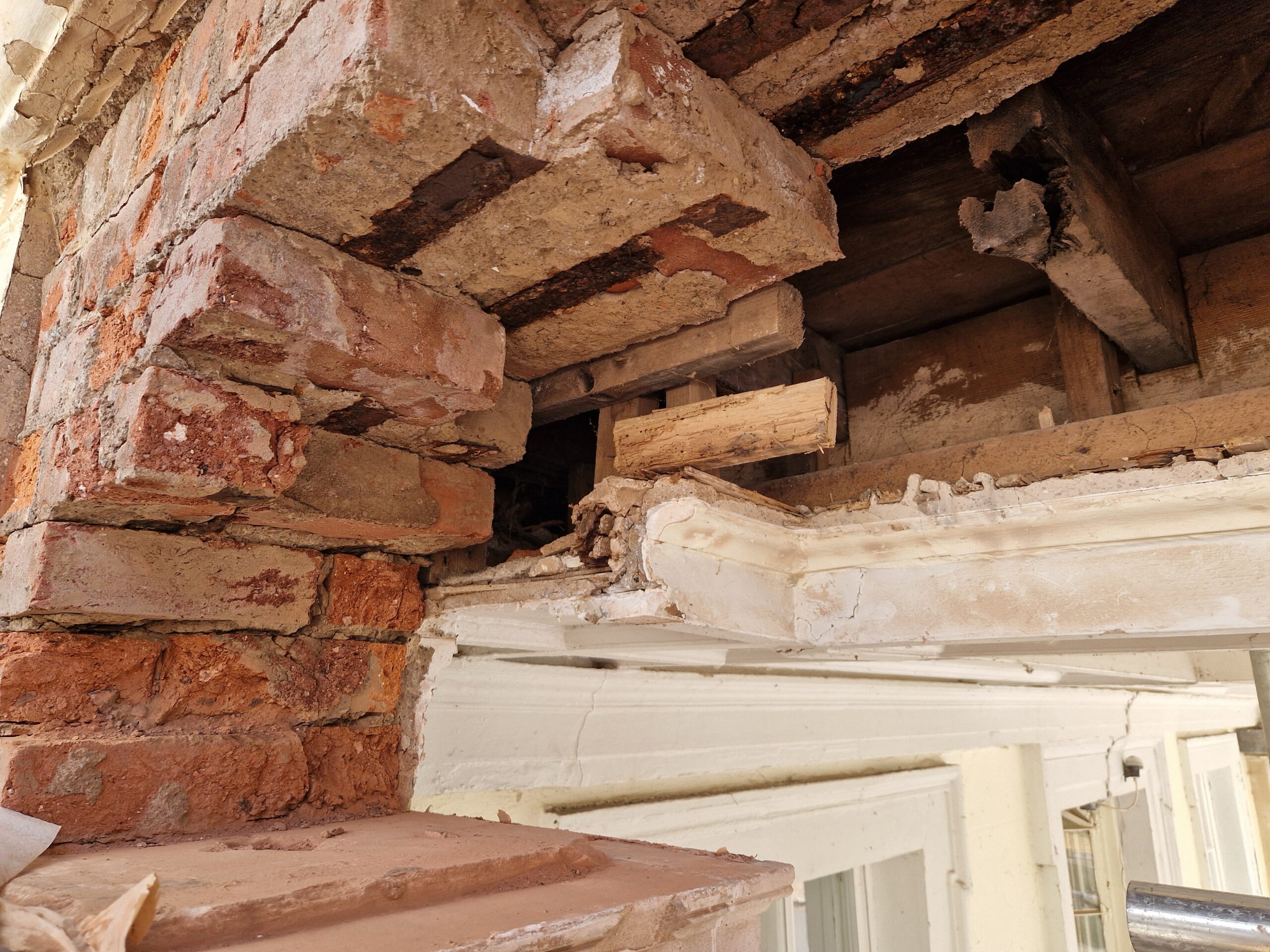
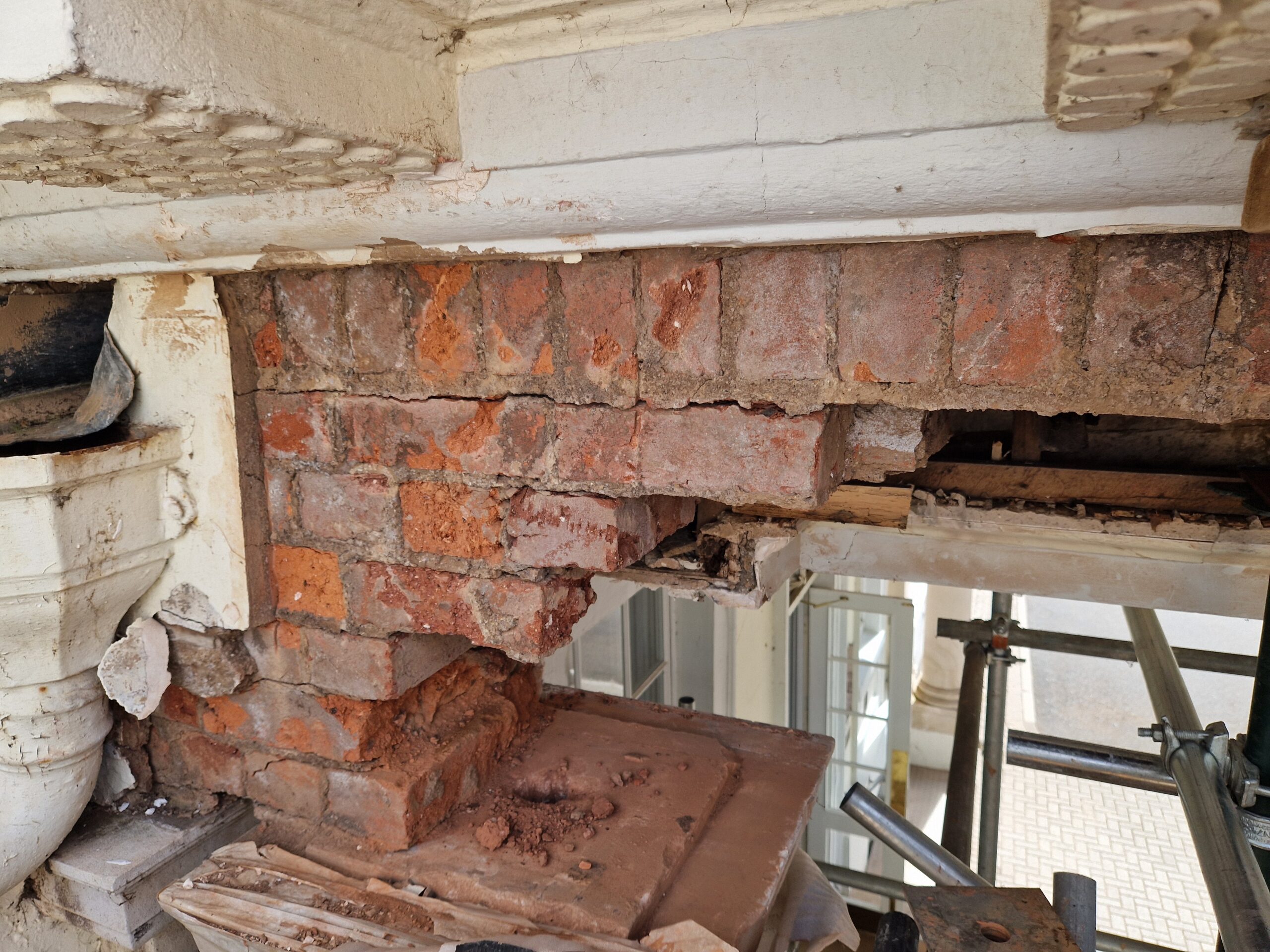
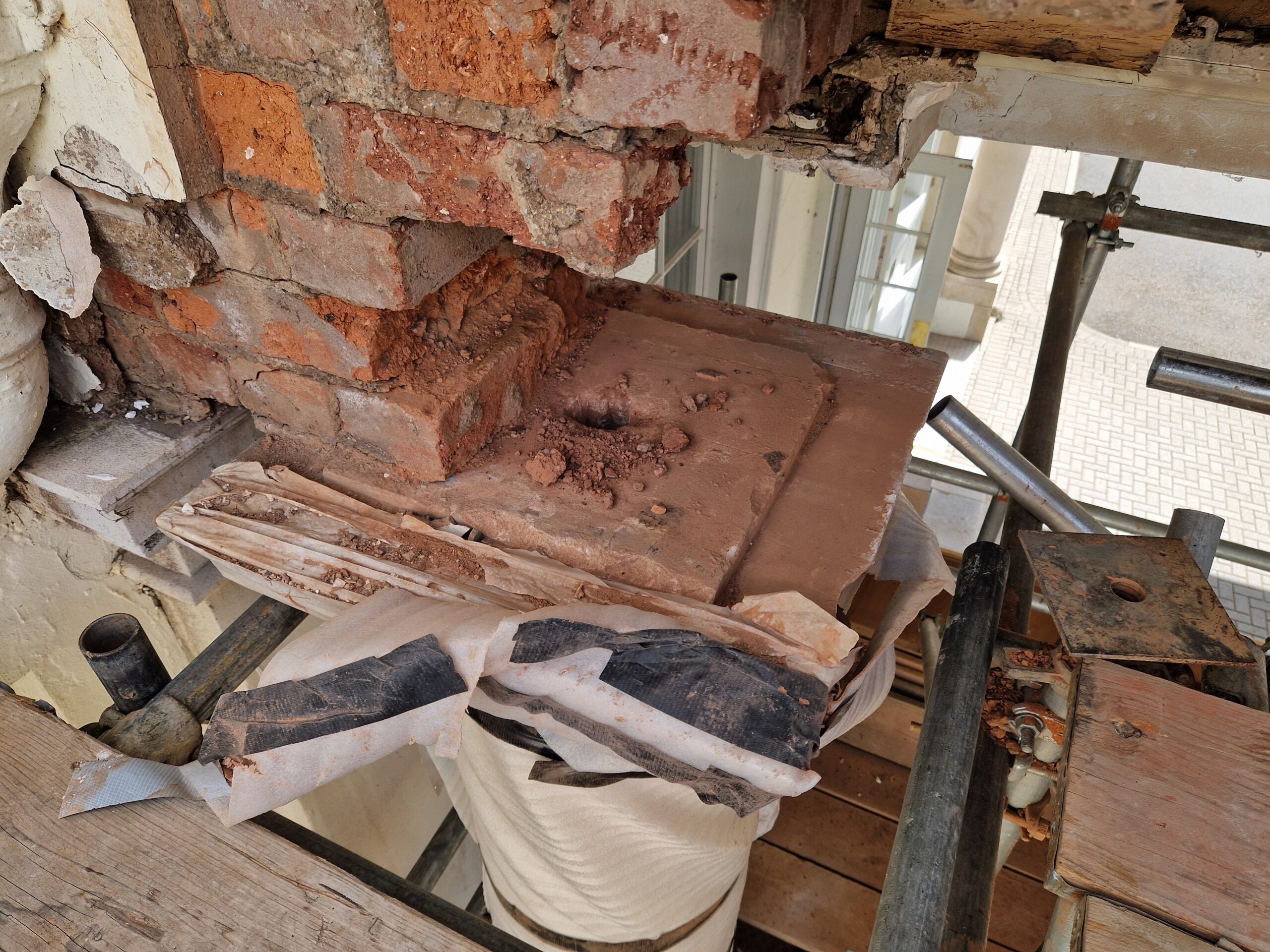
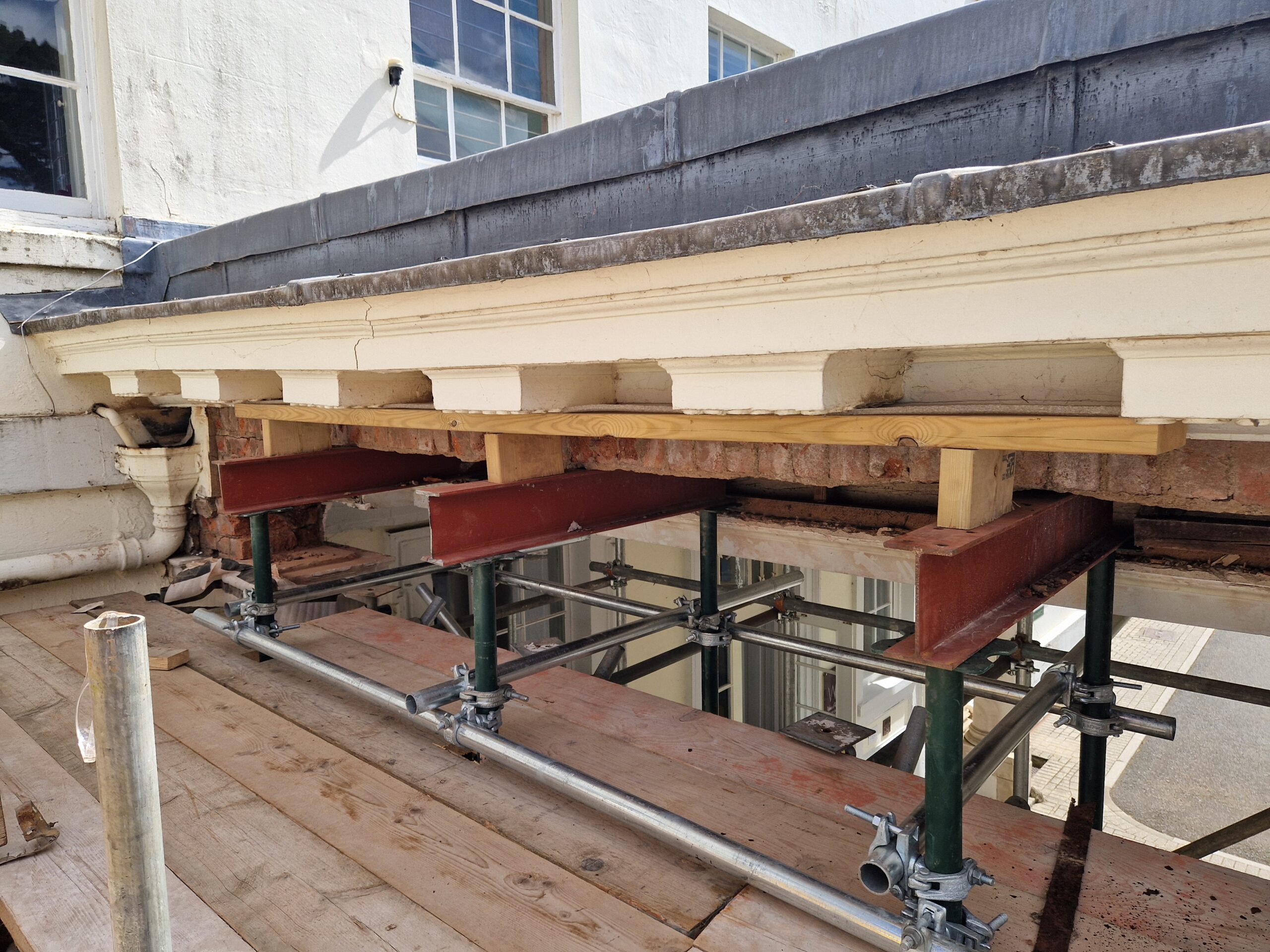
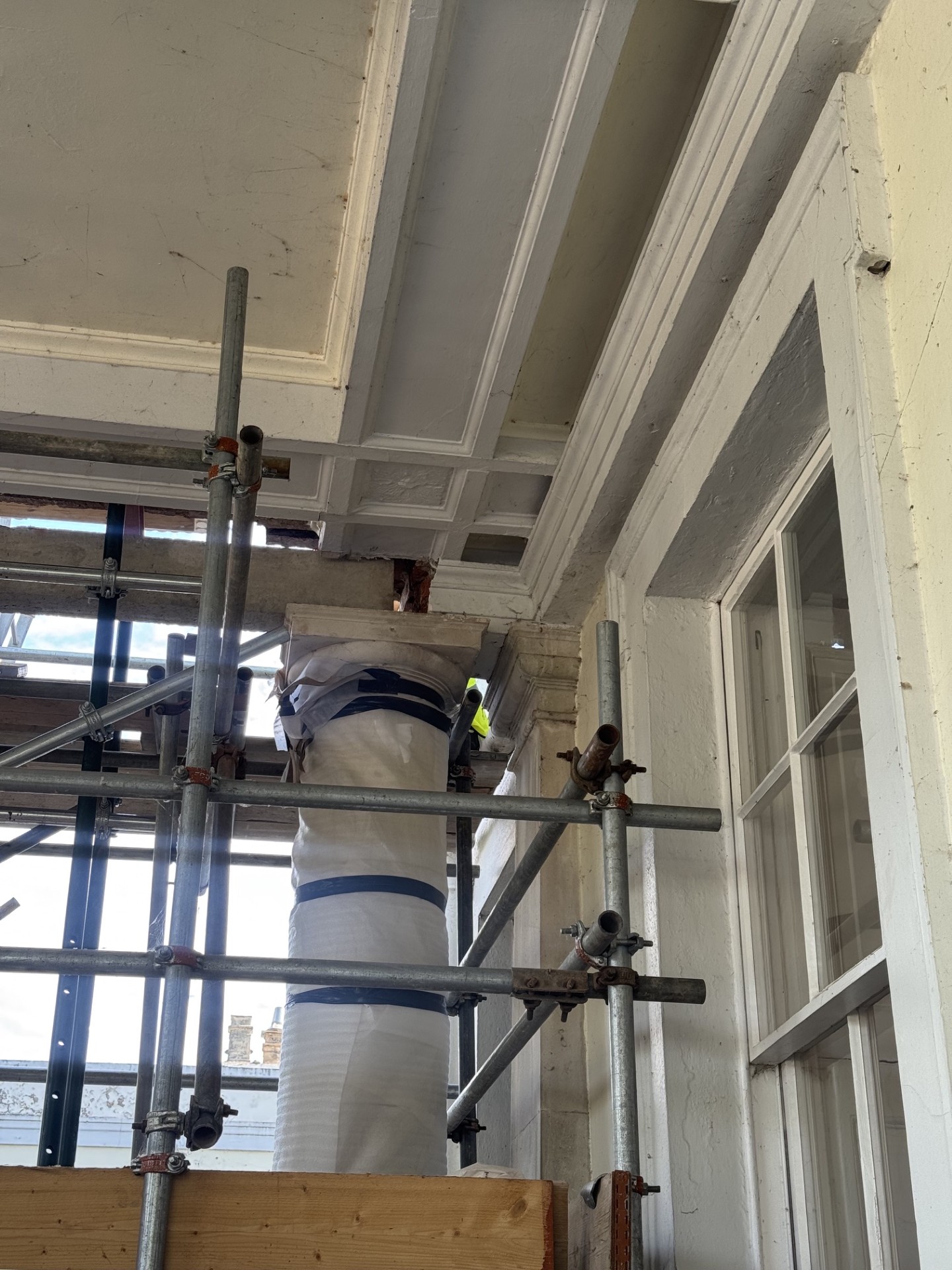
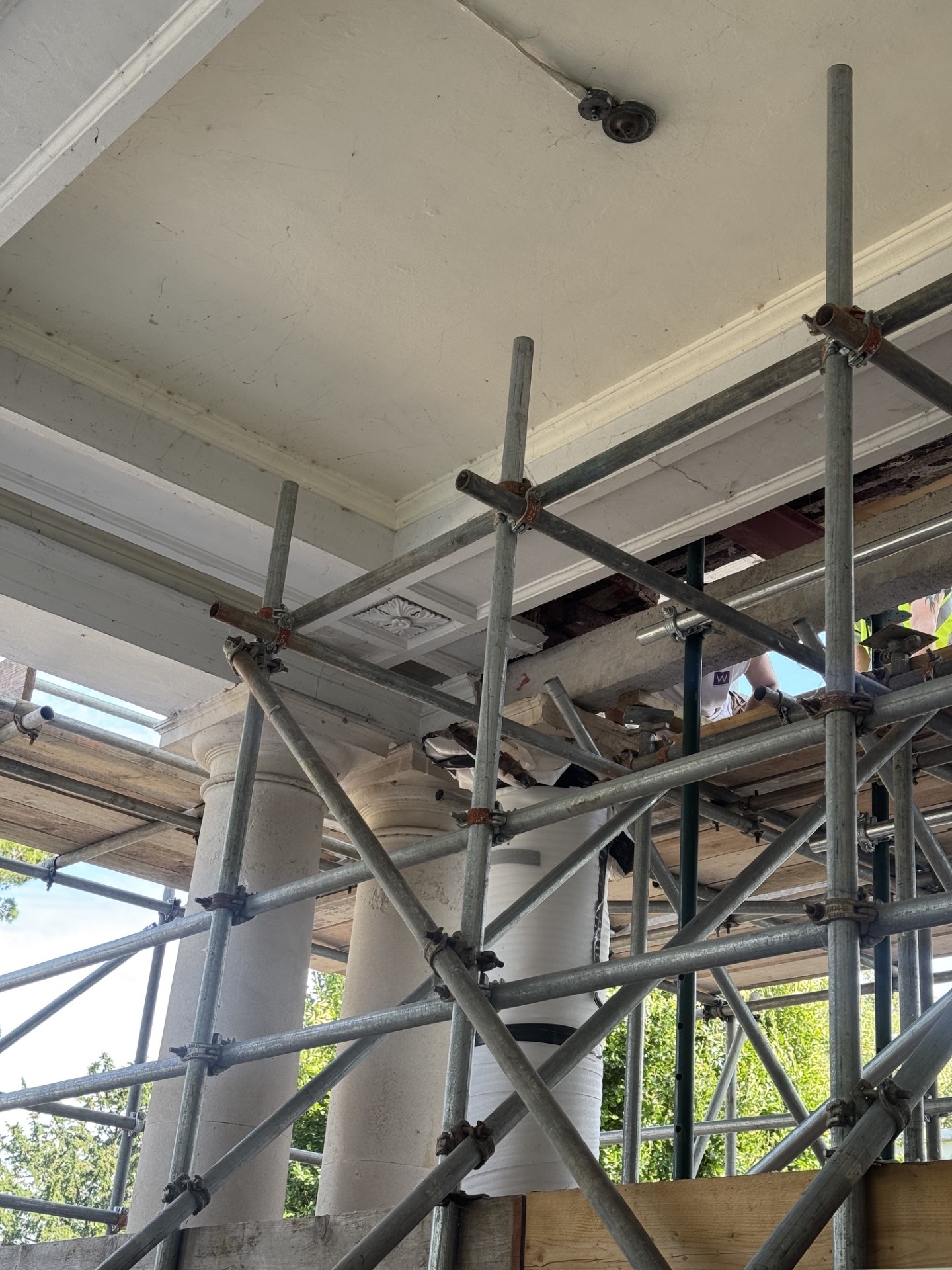
The restoration began after sections of decorative stucco fell from the Porte Cochere (the covered entrance) – the Portico – earlier this year. Temporary supports were installed while specialists investigated the cause.
What they discovered surprised even experienced conservation engineers.
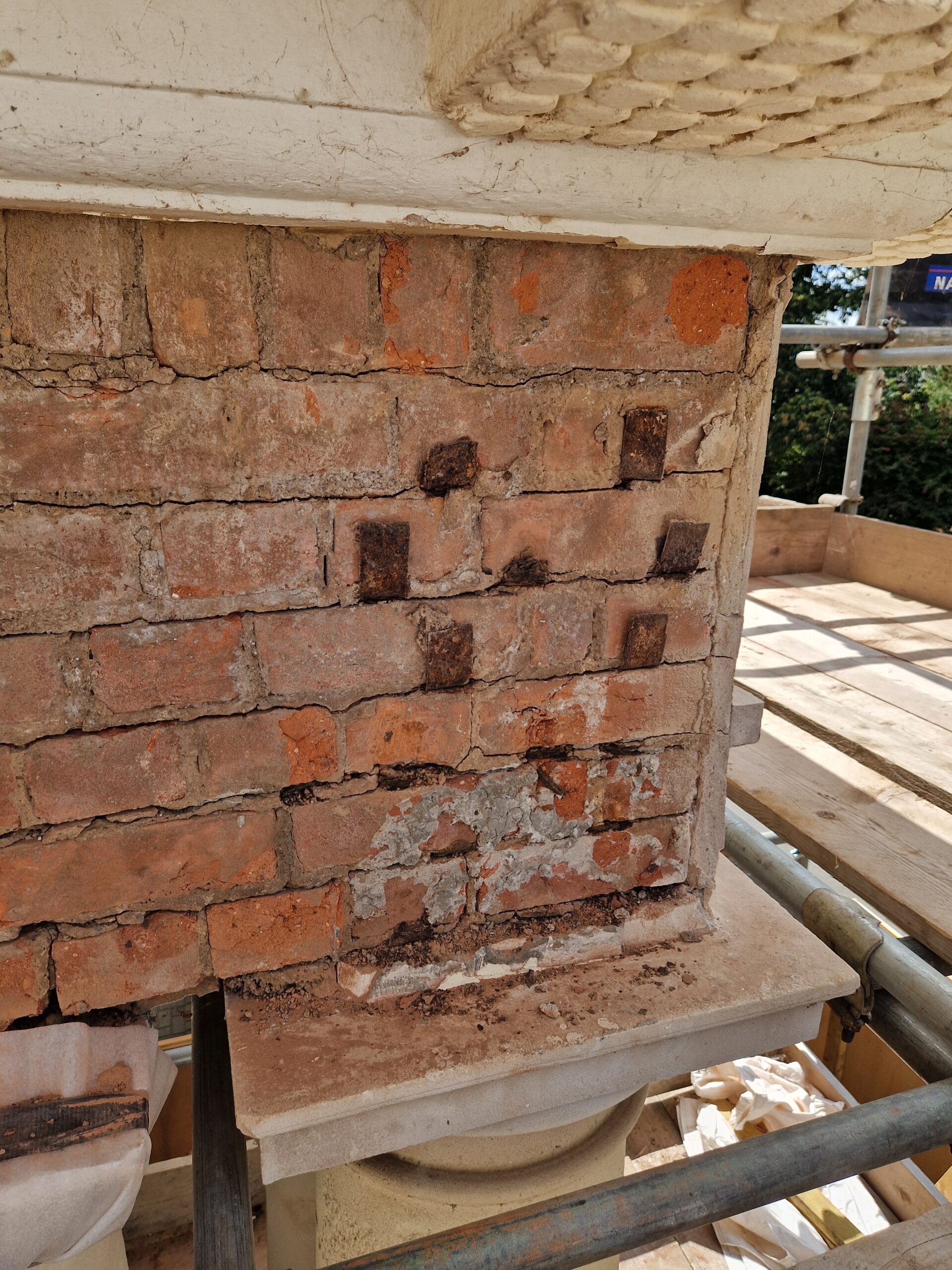
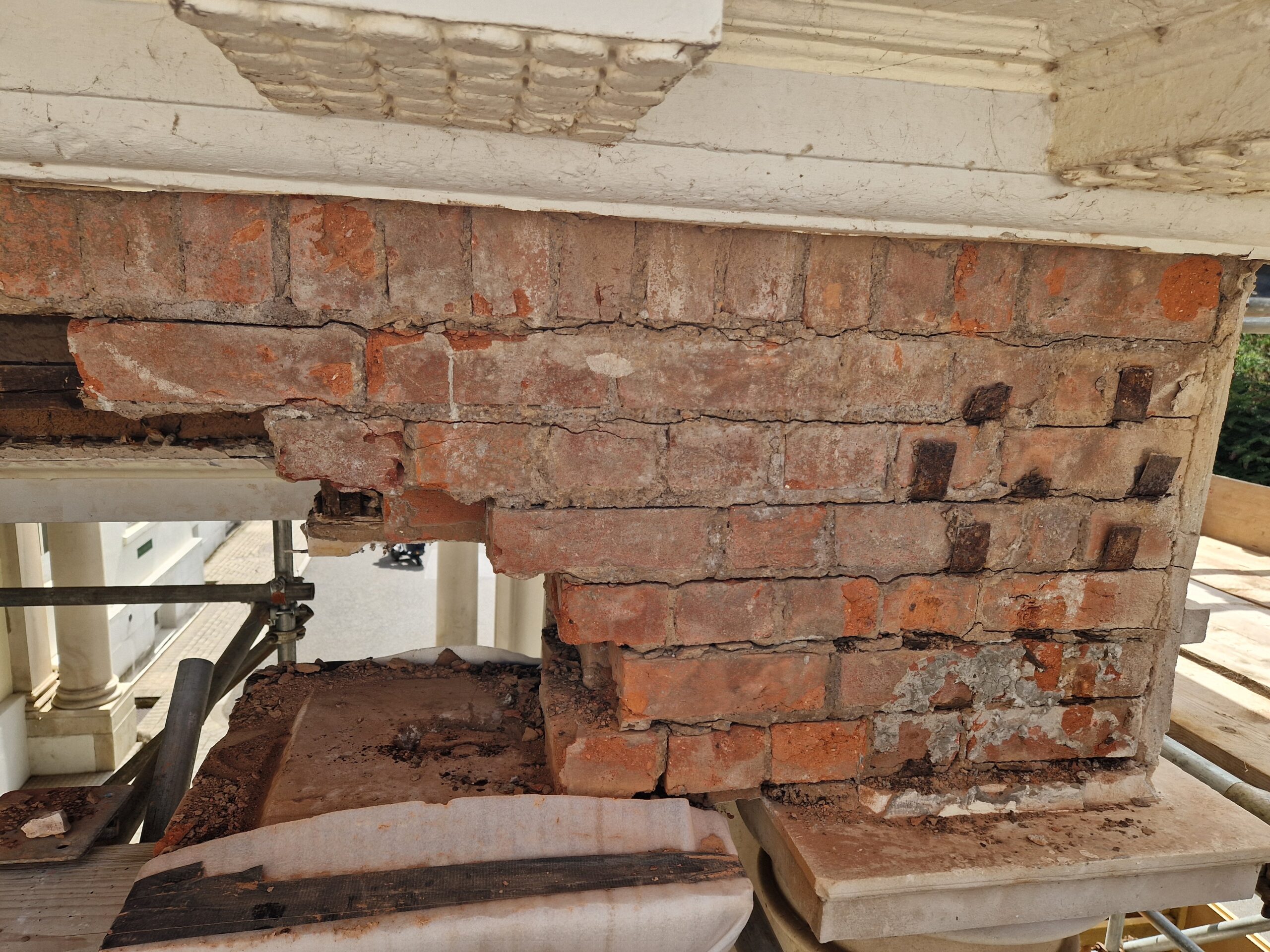
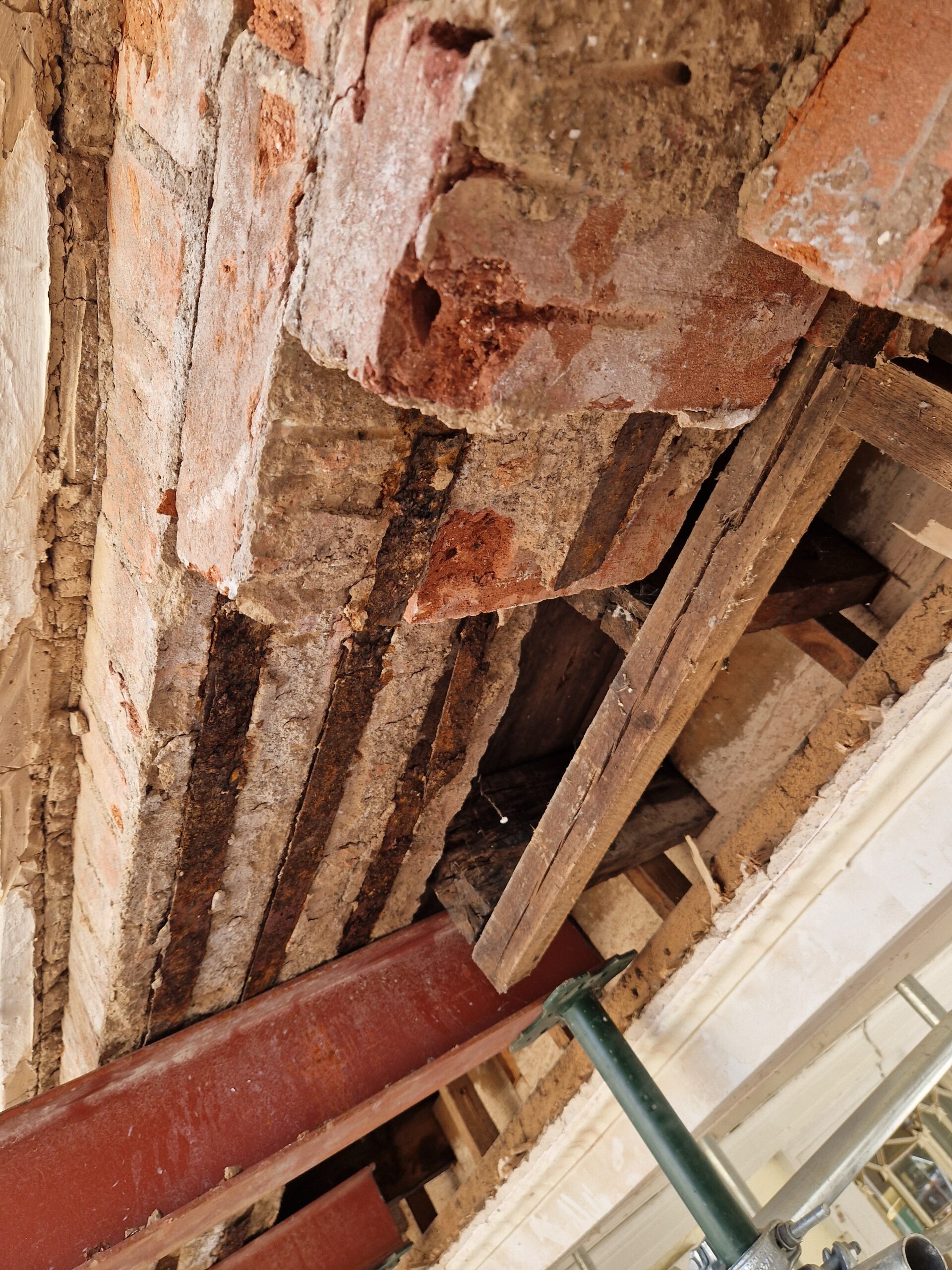
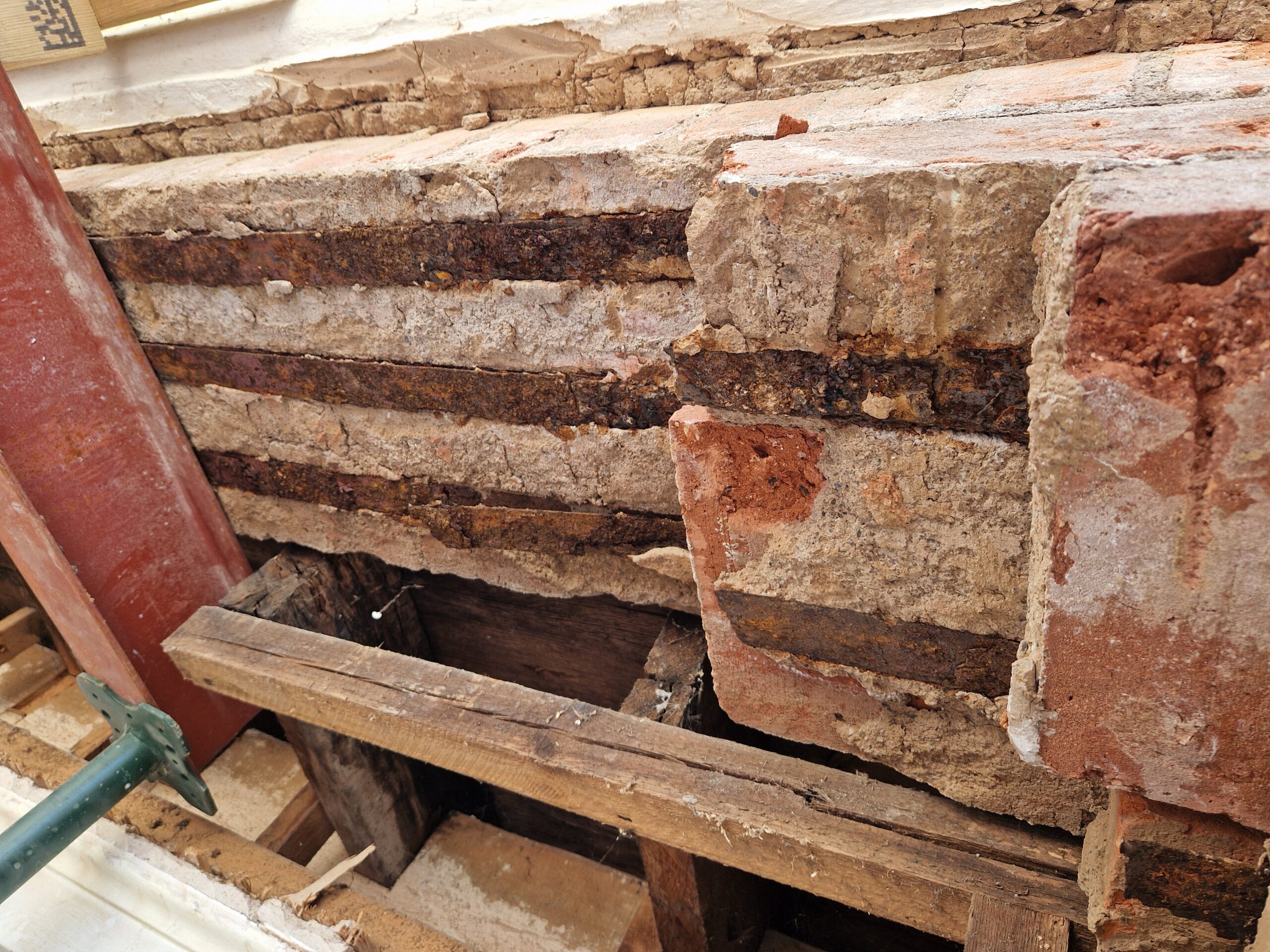
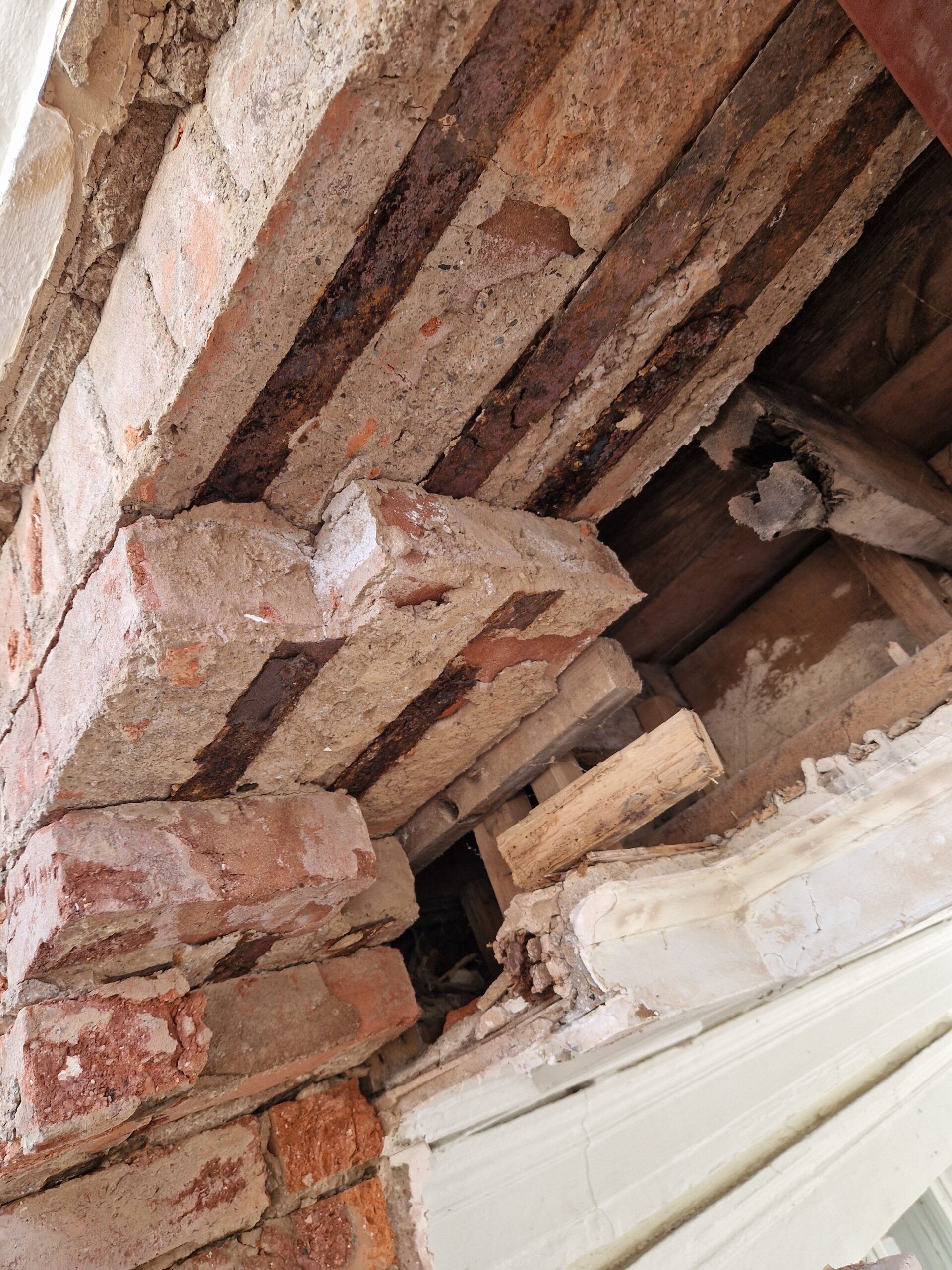
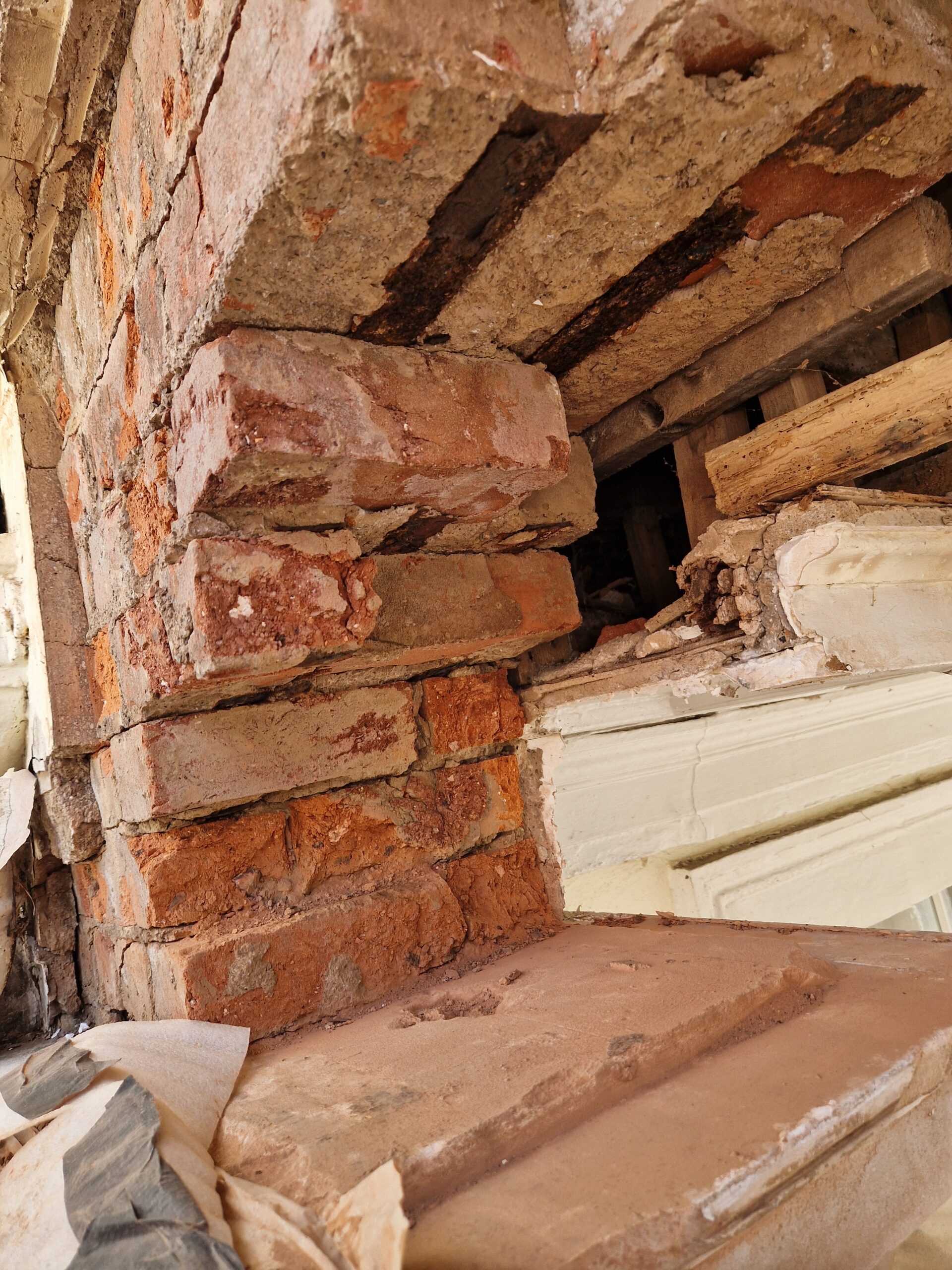
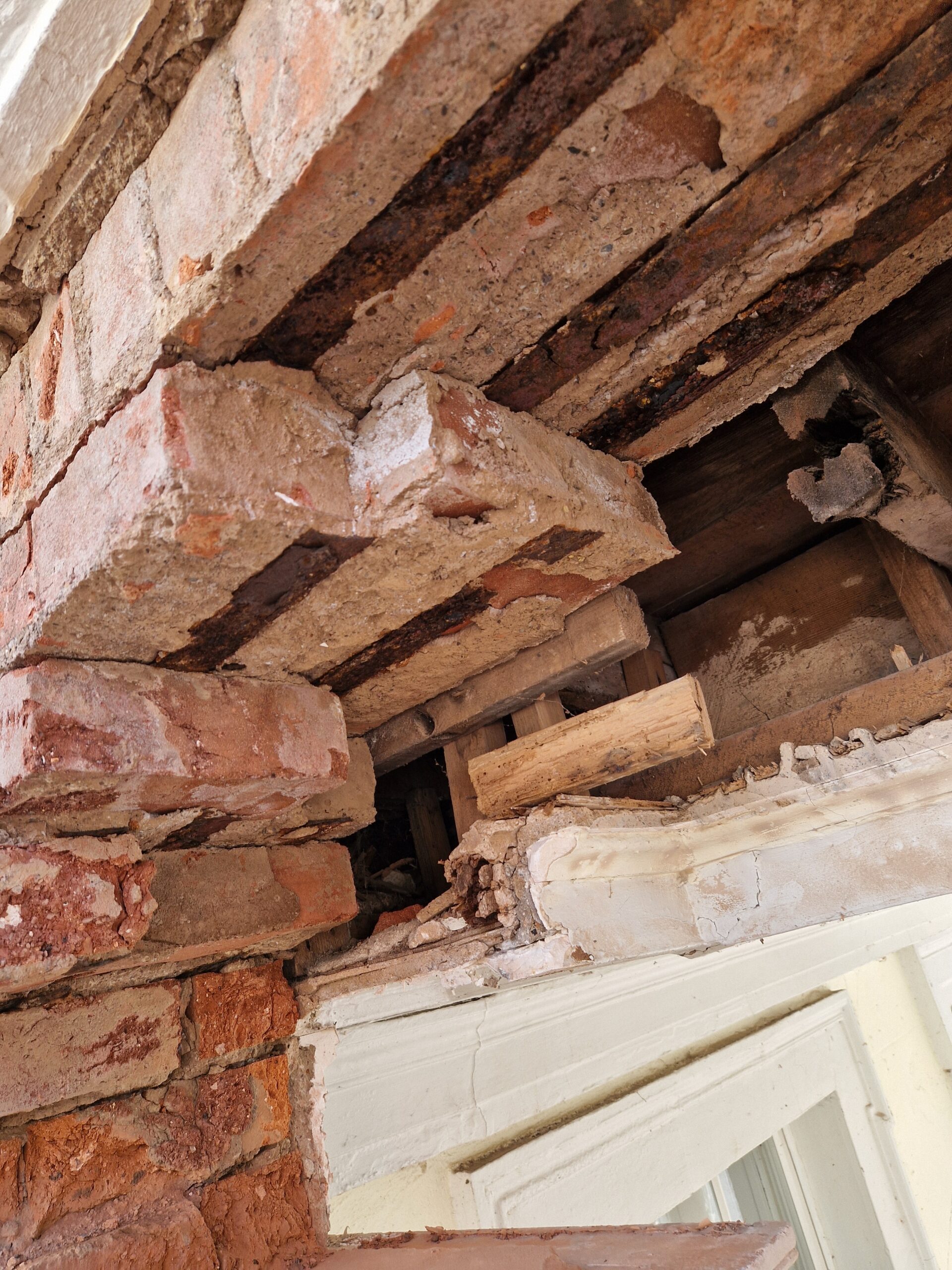
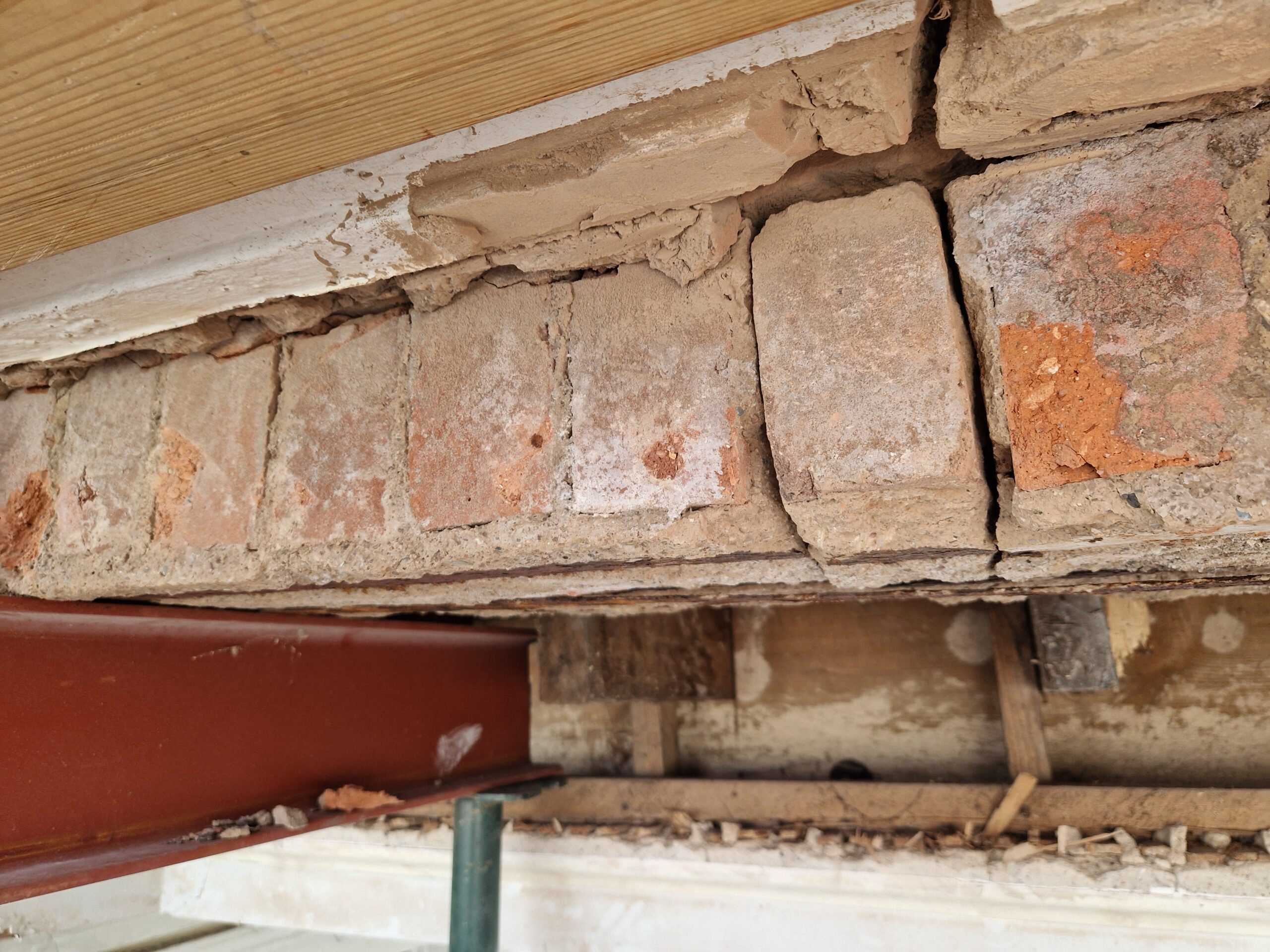
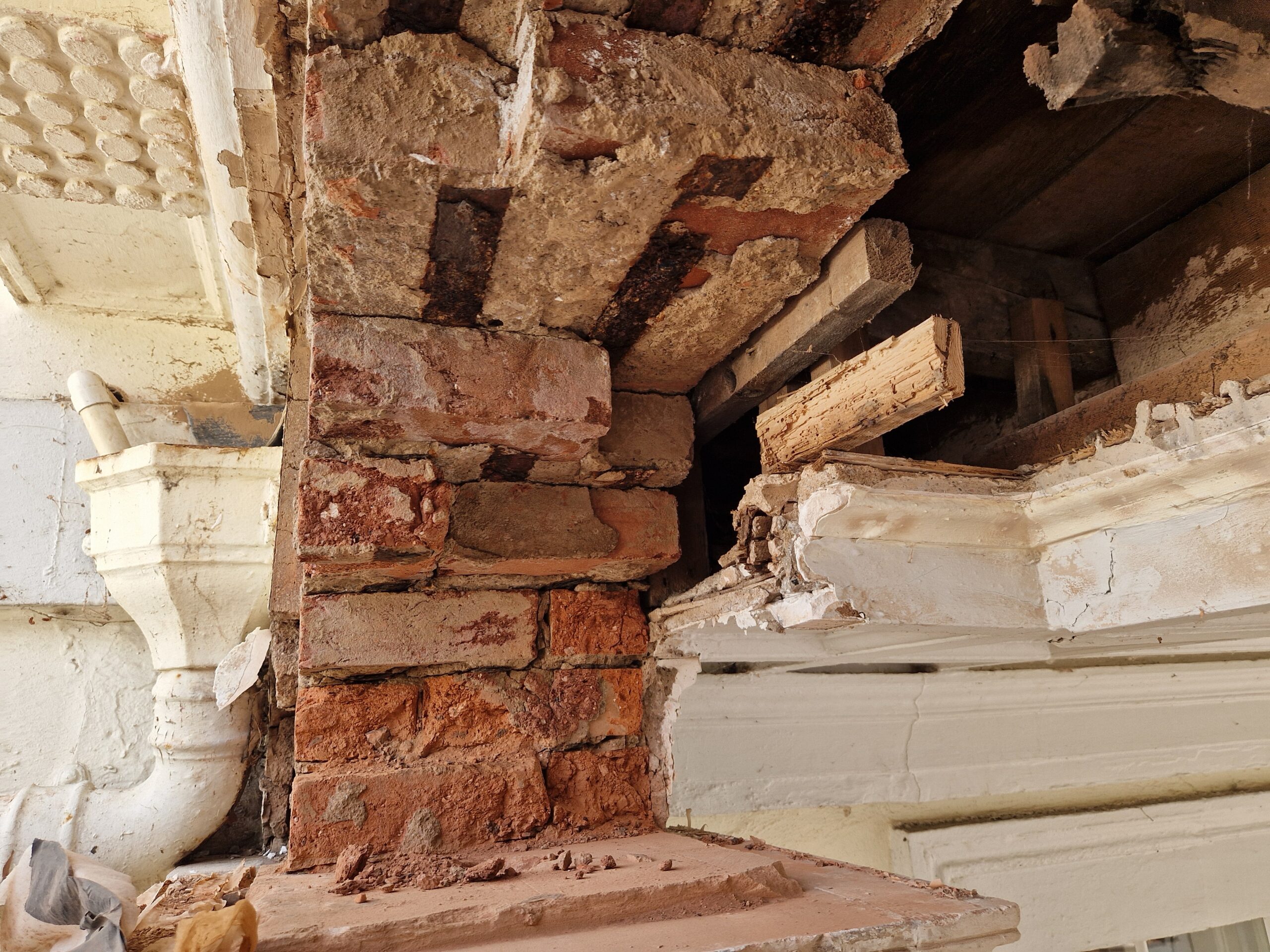
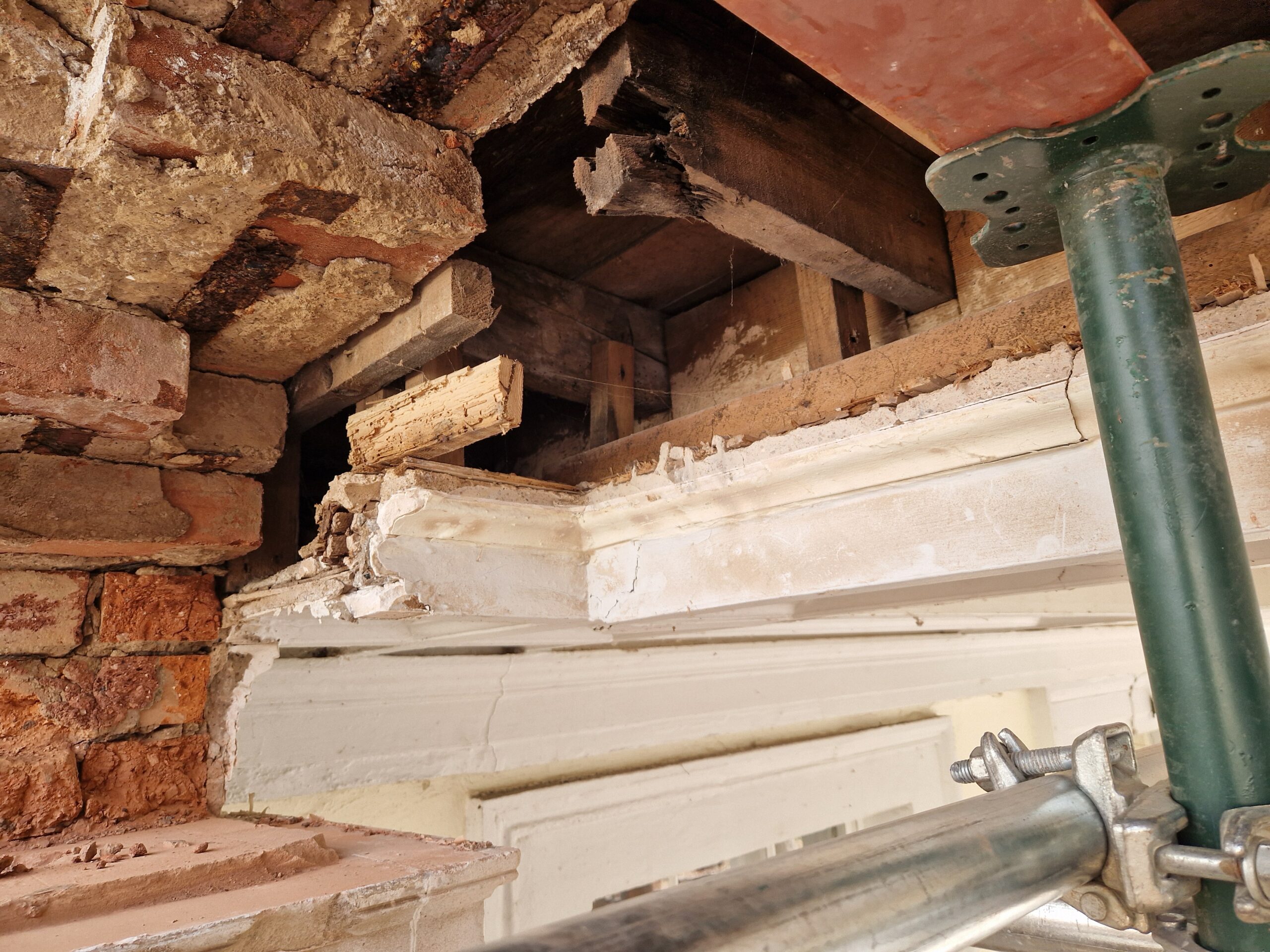
Rather than being supported by traditional iron beams, the entrance was constructed using an extremely rare form of reinforced brickwork.
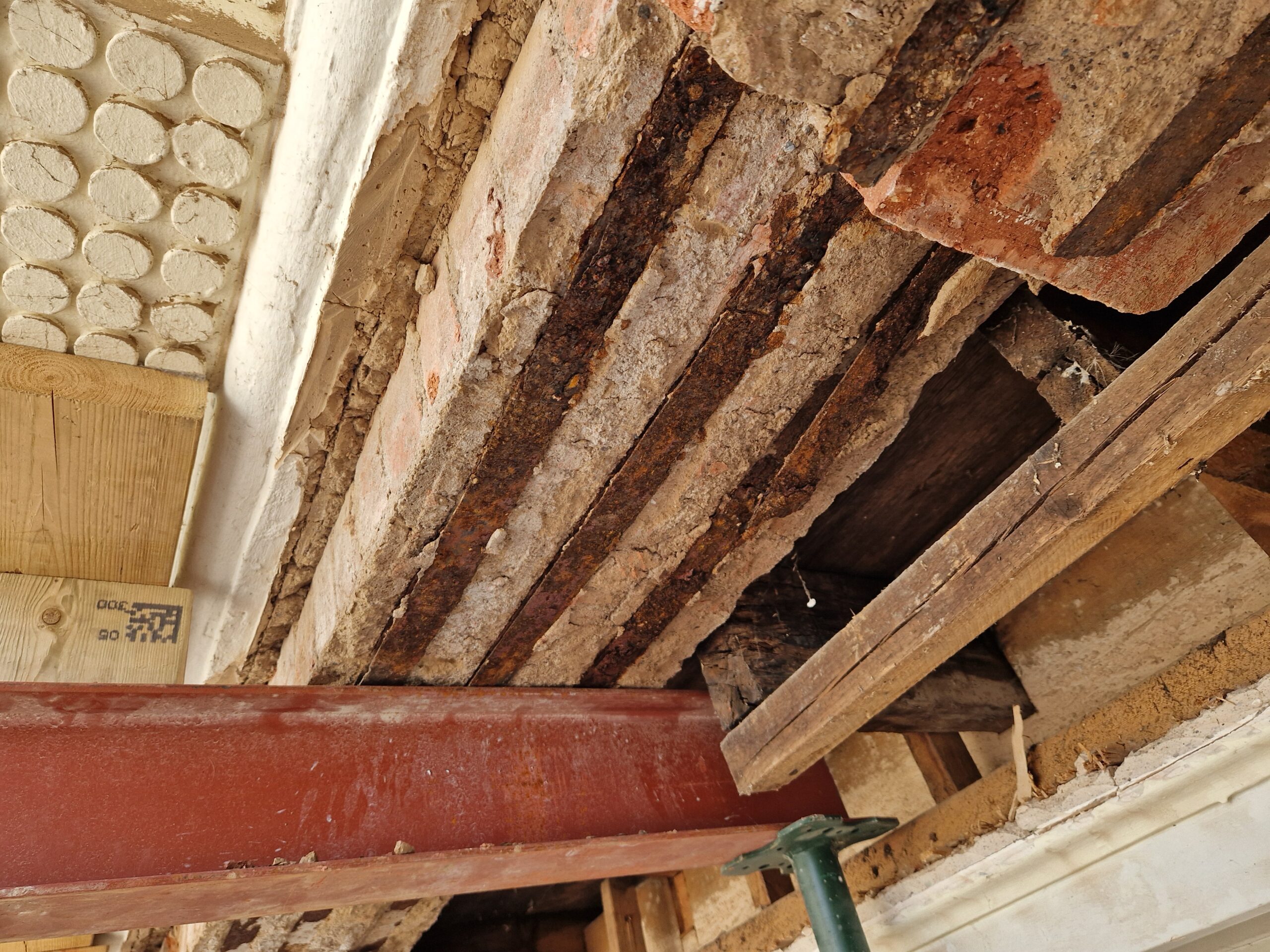
Embedded within the brickwork were layers of “hoop iron” – thin wrought iron straps laid between brick courses. At the time, this represented cutting-edge engineering and is believed to date from around 1837-1840, making it one of the earliest known examples of reinforced masonry construction.
The system predates modern reinforced concrete and was pioneered during experiments by Sir Marc Isambard Brunel, father of Isambard Kingdom Brunel. Remarkably, the structural engineer leading the investigation described Wear House as the first example of this type of construction they had encountered in their career.
More than 220 years of history
Wear House was built in 1804 for Admiral Sir John Duckworth and sits within grounds whose history stretches back to the reign of Henry III. Since 1929 it has been the home of Exeter Golf and Country Club, welcoming generations of members through its impressive Georgian entrance. During the Second World War, it was also temporarily occupied by the US Navy in preparation for D-Day.
As one of only a small percentage of listed buildings awarded Grade II* status, Wear House is recognised as being of “more than special interest”, meaning every repair must carefully balance structural safety with the preservation of historic fabric.
Grade II* – refers to particularly important buildings of more than special interest, making up about 5.8% of all listed buildings.
Why does it need repairing?
Although revolutionary when it was built, time has caught up with the original engineering.
Over nearly two centuries the embedded iron has gradually corroded. As rust expands, it forces apart the surrounding brickwork, weakening the structure and causing the decorative stucco to crack and separate.
Investigations found that much of the original reinforcement has severely deteriorated, leaving parts of the entrance structurally compromised. Engineers concluded that long-term repairs are now essential to preserve the building safely.
Restoring rather than replacing
One of the biggest challenges has been finding a repair solution that protects the building without unnecessarily removing historic material.
Several options were considered, including rebuilding the structure exactly as it was originally constructed.
However, after careful assessment, conservation specialists concluded that the best long-term approach is to discreetly install reinforced concrete beams hidden within the existing structure. This allows the majority of the original brickwork, decorative mouldings and Georgian appearance to remain intact while removing the corroded iron that is causing the damage. Original bricks will be reused wherever possible and traditional lime mortars and stucco carefully matched to the historic finishes.
Looking after the future
Historic buildings require continual care, and this project represents another chapter in Wear House’s remarkable story.
From its origins as a Georgian country house, through wartime service, to nearly a century as the home of Exeter Golf and Country Club, Wear House has evolved while retaining its character.
This restoration ensures members and visitors will continue to enjoy one of Exeter’s finest historic buildings—while preserving a remarkable piece of engineering history hidden just above the entrance.
Sometimes the most fascinating discoveries are the ones that have been quietly supporting us all along.