How to Start Improving Fitness After a Heart Attack: Lessons from Darren’s Journey
Recovering from a heart attack can feel overwhelming, especially when it comes to returning to exercise. Knowing where to start – and how to progress safely – is essential for rebuilding strength, confidence, and heart health.
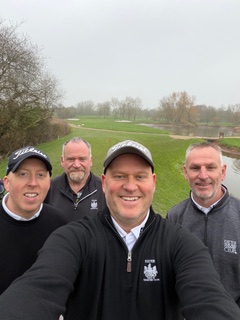
Over the coming months, we’ll be following Darren Everett, Director of Golf at Exeter Golf and Country Club, as he begins his own journey back to fitness. His story will highlight both the challenges and the strategies that work in real life.
1. Begin with Professional Guidance
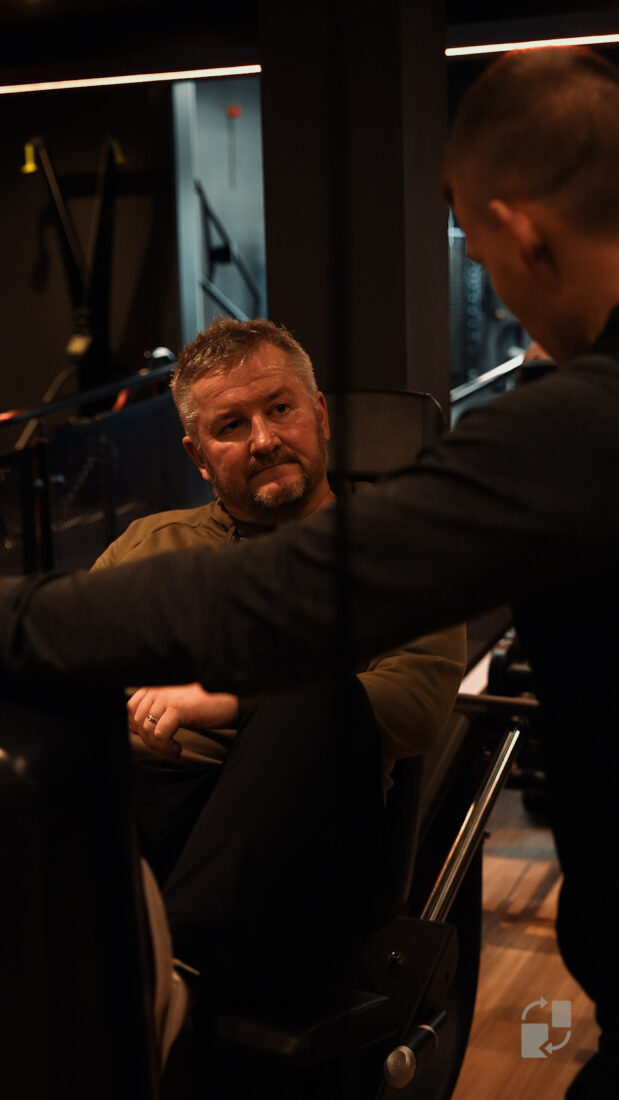
The first step after a heart attack is to get personalised guidance from healthcare professionals. Darren’s journey began with a consultation with his doctor and a session with a personal trainer experienced in cardiac rehabilitation, Rich Fleming. Starting under professional supervision ensures exercises are safe, gradual, and tailored to your individual needs.
In Darren’s first session, the focus wasn’t on pushing limits, but on assessment, reassurance, and learning safe movement patterns.
2. Use Heart-Rate – Guided Training
After a heart attack, intensity matters more than duration or distance. Exercising too hard too soon can increase the risk of chest pain, irregular heart rhythms, or breathlessness.
A target heart-rate zone provides a safe guideline for training. These zones are tailored to your medical history and any medications you may be taking, such as beta-blockers, which can lower your heart rate. Training within your zone allows your heart to strengthen without being overloaded and helps rebuild confidence in your abilities.
Darren’s sessions focus on staying within his heart-rate zone while gradually increasing stamina.
3. Focus on Controlled, Safe Movements
Some exercises can place extra strain on the heart if performed incorrectly. For example, lifting both arms overhead at the same time can spike heart rate and blood pressure, especially in the early stages of recovery.
Starting with controlled movements, one limb at a time, and maintaining proper breathing reduces cardiovascular strain while rebuilding strength, coordination, and confidence. These exercises also carry over into daily tasks like reaching, lifting, or bending safely.
4. Progress Gradually
Recovery isn’t about pushing harder – it’s about progressing safely, consistently, and sustainably. Short, frequent sessions are often more effective than longer, intense workouts in the early stages. Celebrate small improvements in endurance, strength, or confidence.
For Darren, even simple sessions at the gym are milestones. Each week adds small gains that build toward his ultimate goal: running a parkrun with his son, Oscar.
5. Include Motivation and Meaning
Having a meaningful goal can make recovery more motivating and enjoyable. Darren’s focus on running a parkrun with his son is a reminder that fitness after a heart attack isn’t just about numbers – it’s about quality of life and being able to do the things that matter.
6. Track Progress and Adjust
Monitoring progress – whether through heart-rate tracking, exercise logs, or feedback from your trainer – is key. Adjust intensity, frequency, and types of exercises as your strength and confidence improve. Always check in with healthcare professionals before making major changes.
Darren’s journey will be documented in this series over the next year, showing how training evolves, confidence grows, and goals move closer step by step.
Key Takeaways
Start under professional guidance
Use heart-rate zones to train safely
Focus on controlled movements to avoid unnecessary strain
Progress gradually and celebrate small gains
Set meaningful, motivating goals
Track progress and adjust as needed
Recovering from a heart attack doesn’t mean giving up activity. With the right approach, you can rebuild fitness, regain confidence, and return to the activities you love – safely and sustainably.
Stay tuned as we follow Darren’s journey in the next posts, from his very first gym session to achieving milestones like his first parkrun with Oscar.
Darren’s Journey Back to Fitness
Golf has been a part of my life since I was 17 — more than a hobby, it shaped who I am. When a heart attack hit, it stopped me in my tracks. I was scared, heartbroken, and unsure if I would recover. I thought about returning to golf around four months later, but anxiety kept me from taking that first step.
When I finally stepped back on the course, it was a mix of excitement and fear. I felt weak, fatigued, and even experienced panic moments that reminded me how far I still had to go. Recovery has been about rebuilding confidence, listening to my body, and taking things one step at a time.
This journey has also changed my lifestyle — medication, diet, exercise, and family have become priorities. Being honest about how I felt and leaning on my loved ones made a huge difference. Now, I feel like I’ve fallen in love with golf all over again, and my goal is to create new memories with my sons.
Over the next year, we’ll be following my progress as I train, rebuild fitness, and work toward a meaningful milestone: running a parkrun with my son, Oscar.